
Wilmington Crawl Space Water
Standing water under your foundation rots subfloor framing and invites toxic indoor air. Our specialized response crew pumps out trapped coastal storm runoff, eliminates subfloor moisture, and installs durable moisture barriers to protect structural integrity. Reach out immediately for thorough extraction and precision subfloor dehumidification.
To get someone out, call (910) 555-0152.
Prefer to talk? (910) 555-0152
Reliable Crawl Space Water Extraction & Structural Drying
Living along the Cape Fear coast means dealing with high groundwater tables that push moisture up through porous soil foundations.
With 59,406 housing units on record in the Census ACS 5-year estimates across our coastal area, managing moisture beneath raised structures is an everyday priority for local property owners.
Homeowners in low-lying coastal areas frequently face standing water in dirt crawl spaces after heavy rainfall, uncertain whether temporary pumping is sufficient or if permanent sump and trench systems are required.
When substructures flood, our technicians deliver comprehensive water damage restoration for coastal properties using heavy submersible pumps and commercial desiccant dehumidifiers.
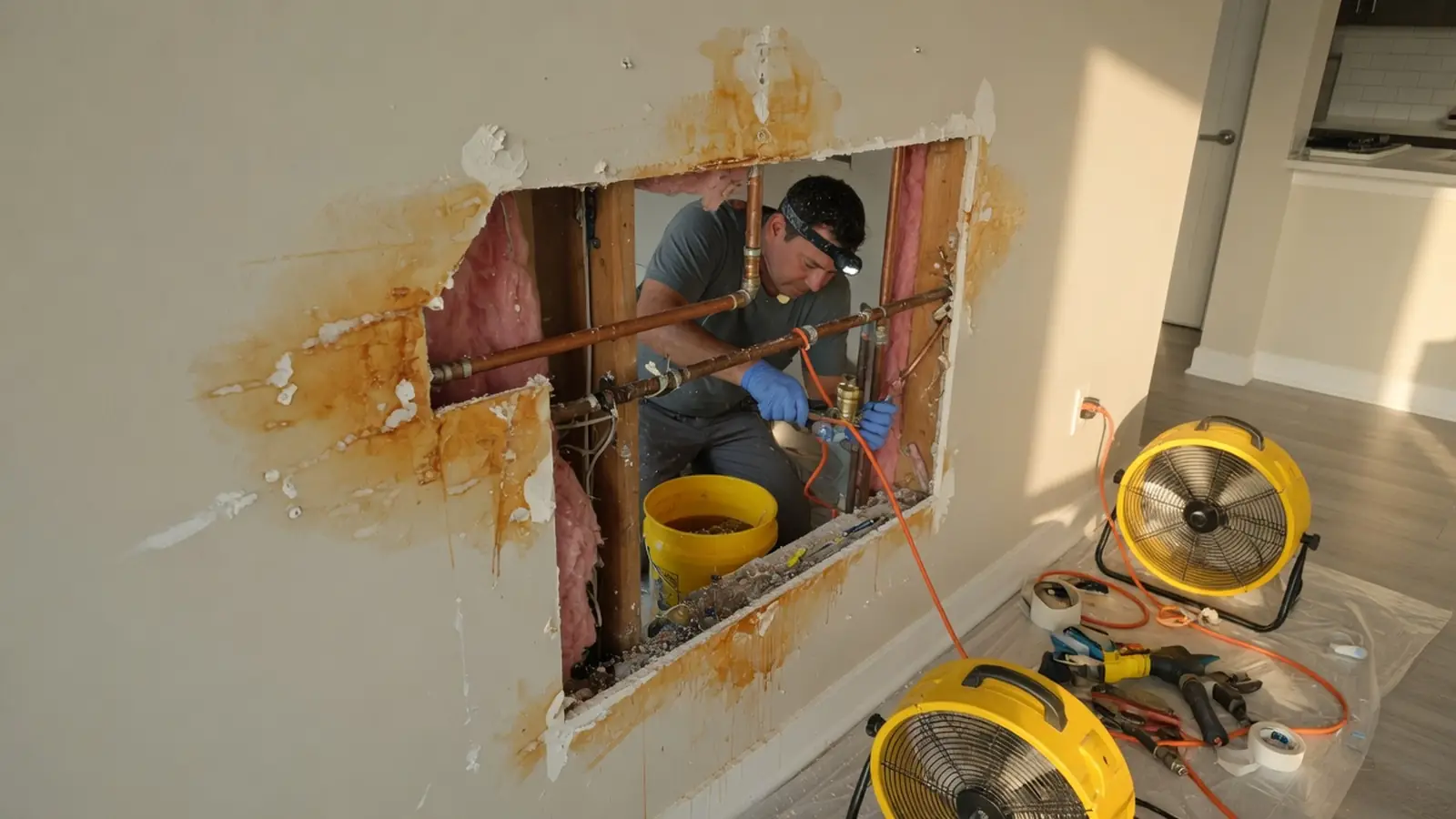
Homeowners often describe how, weeks following flooding or plumbing overflows, homeowners notice warped baseboards and concealed black mold colonies growing along the backside of interior drywall cavities.
On a recent project near Bradley Creek, our crew removed four inches of pooled standing runoff from a dirt substructure before laying fresh heavy-duty vapor encapsulation.
We treat every substructure with meticulous containment barriers so dust and musty odors never enter your primary living quarters.
How We Eliminate Crawl Space Water
Our systematic dryout protocol stops framing degradation and purges damp air before structural timbers suffer permanent rot. Persistent musty odors inside the living area often lead homeowners to discover widespread white fungal growth across crawl space subflooring and framing, prompting concerns over structural decay versus surface remediation. When extreme coastal weather hits, our crew deploys rapid hurricane surge cleanup protocols to extract intrusion before moisture spreads.
- Inspection & Insulation Removal. Following crawl space water intrusion, fiberglass batt insulation acts like a wet sponge against the subfloor, raising concerns about whether mechanical drying can save the material or if full tear-out is required. We carefully extract all saturated batting to expose the subfloor framing for direct evaluation.
- Water Extraction & Hydrostatic Relief. Intense rainstorms create hydrostatic pressure that forces water through cinder block foundation mortar joints, leaving residents questioning whether interior masonry coatings can stop intrusion without exterior drainage. We clear standing water using heavy trash pumps and establish temporary perimeter trenches.
- Dehumidification & Drainage Setup. Algae clogs in crawl space dehumidifier gravity drain lines cause unnoticed subfloor relative humidity spikes that trigger rapid mold resurgence. Our team installs commercial dehumidifiers with hard-plumbed, clear-draining lines and integrated safety shutoffs to maintain target subfloor humidity.
- Framing Stabilization & Sanitization. Severe moisture saturation in crawl space sill beams and framing causes sudden floor deflection and sticking doors, leaving owners unsure if structural repairs can proceed before complete foundation drying. We verify wood moisture content with deep-probe meters and apply antimicrobial treatments before approving structural repairs.
Our Workmanship & Moisture Control Standard
We operate under strict restoration standards using commercial-grade extraction pumps, calibrated air movers, and industrial low-grain refrigerant dehumidifiers. Air conditioning ductwork under coastal homes heavily condenses humid crawl space air, dripping puddles onto vapor barriers and pushing damp mildew smells through the supply registers, which is why we target underlying humidity rather than just standing liquid. Where fungal spores have taken hold, we provide professional mold remediation to clear subfloor fungal colonies safely. Our technicians do not pack up until moisture meters confirm your subfloor joists and foundation walls meet standard drying goals.
Subfloor Water Extraction
We pump out standing water from dirt and concrete foundations using commercial submersible equipment. Our technicians dig temporary collection pits to pull stagnant storm runoff away from foundation piers. Fast extraction prevents framing timber from soaking up groundwater through capillary action.
Crawl Space Structural Drying
Using industrial desiccant and LGR dehumidifiers, we draw trapped moisture out of joists, sill plates, and subflooring. High-velocity air movers establish continuous circulation across damp timber surfaces. We monitor daily moisture readings to verify framing returns to safe moisture content.
Vapor Barrier & Moisture Control
We replace damaged or displaced ground covers with heavy-duty poly vapor barriers sealed along foundation walls. This barrier stops coastal ground dampness from condensing on cool floor joists and ductwork. Proper ground sealing eliminates the musty odors that migrate into your home.
Our Commitment To Crawl Space Restoration
Every crawl space flooding incident presents unique challenges depending on soil saturation, foundation block type, and elevation. We approach each property with methodical moisture mapping, continuous daily monitoring, and clear communication from extraction to complete dryout. Customers can count on disciplined workmanship, honest evaluations, and respectful treatment of their home.
- 12Zip Codes Served
- 6Service Areas
- 3Services Offered
Here is how property owners across the local coastal area describe their experience working with our crawl space moisture technicians during urgent water extraction and drying projects.
“Heavy torrential rain flooded our crawl space on a Sunday morning, and I was terrified the water would ruin the subfloor. I called expecting a voicemail, but the crew answered immediately and had pumps running under our house within two hours. Their quick weekend response prevented catastrophic foundation damage.”
Marcus B.
“Every evening before packing up, the technicians swept the work area and neatly coiled all power cords outside. They hauled away the waterlogged insulation promptly so our yard never looked like a messy construction zone. I really appreciated their commitment to keeping our property tidy throughout the dryout.”
Denise R.
“I received regular photo updates showing moisture meter levels each morning without having to ask. The team texted me precise readings and explained exactly how the dehumidifiers were progressing beneath the floor joists. It was comforting knowing our home was in capable hands while I was at work.”
Julian K.
“Instead of pushing an expensive total encapsulation right away, the crew clearly explained why installing a durable 12-mil vapor barrier and fixing drainage would solve our problem. Their honest material advice saved us significant money while giving our foundation long-term protection against ground dampness. Everything under our home remains bone dry months later.”
Hannah T.
Frequently Asked Questions
How quickly should standing water be removed from a crawl space?
Standing crawl space water must be extracted within 24 to 48 hours to stop structural timber rot and prevent aggressive fungal growth. Prompt pumping relieves hydrostatic pressure against block walls and protects the subfloor above.
Can wet crawl space fiberglass insulation be dried and saved?
Saturated fiberglass crawl space insulation cannot be saved mechanically and requires full removal because it traps moisture against joists. Leaving waterlogged insulation in place causes rapid subfloor rot and severe microbial growth.
How long does it take to completely dry a wet crawl space?
Complete crawl space drying generally takes between three to five days depending on timber saturation, humidity levels, and foundation soil. Technicians deploy commercial LGR dehumidifiers and high-volume air movers until framing moisture drops below safe thresholds.
Why does standing water in the crawl space cause indoor odors?
The natural stack effect draws up to fifty percent of your indoor breathing air directly from the crawl space through subfloor penetrations. When moisture accumulates beneath the house, musty odors and airborne mold spores naturally migrate upward into living areas.
Will an interior masonry sealant stop water intrusion through foundation walls?
Interior masonry sealants alone cannot stop hydrostatic groundwater pressure and will peel unless combined with proper perimeter drainage. Relieving water pressure requires sump extraction, perimeter trenches, and exterior grading adjustments.