
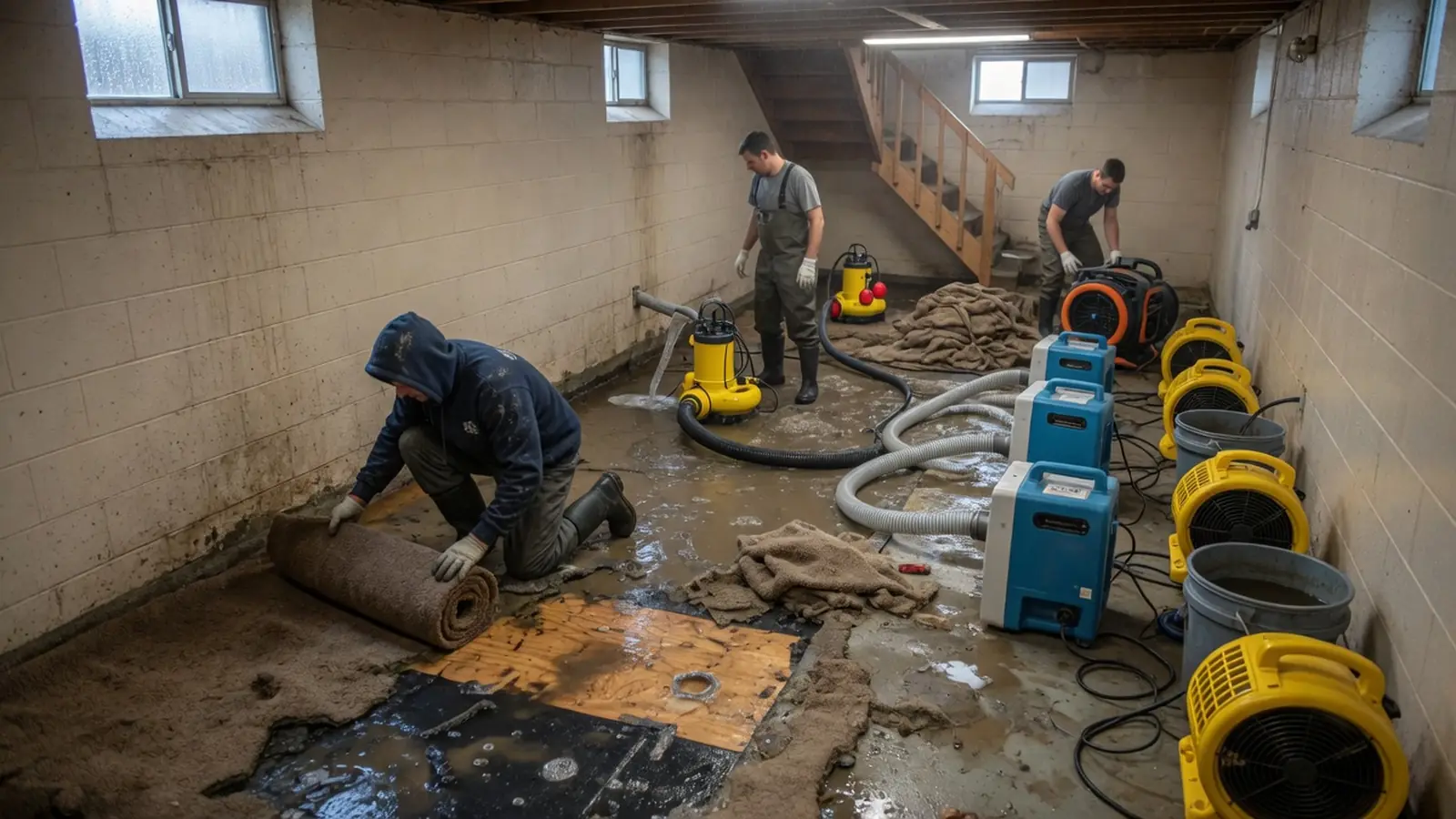
Wilmington Hurricane Surge Cleanup
Historic torrential rain in Carolina Beach and New Hanover County causes severe localized flooding, making immediate post-storm water extraction critical to mitigate property damage. Our emergency technicians deploy high-volume extraction units and structural drying systems to remove contaminated saltwater rapidly. We stabilize your property and protect framing from moisture intrusion before mold spreads.
Call (910) 555-0152 to have the area inspected and the source found.
Prefer to talk? (910) 555-0152
Dedicated Storm Surge Specialists
About 29% of housing units in the local area (16,954 of 59,406) were built since 2000, so a substantial share of the local stock is still on its original systems.
The median owner-occupied home locally was built in 1987 (Census ACS 5-year), creating distinct structural vulnerabilities when ocean flooding breaches the ground floor.
Coastal storm surge leaves corrosive salt residue behind, which oxidizes framing fasteners and degrades electrical wiring long after floodwaters recede.
A pattern echoed in public discussions is that property owners post-hurricane frequently navigate insurance claim disputes over rising flood surge exclusions versus wind-driven water intrusion, requiring comprehensive moisture logs and waterline records.
Homeowners often describe how residents dealing with brackish storm surge intrusion struggle with how quickly drywall must be removed with a flood cut to prevent hazardous mold amplification and whether submerged electrical components require total replacement.
Our field crews resolve these emergencies by providing thorough water damage restoration services that eliminate trapped humidity and stabilize compromised framing.
Our Step-by-Step Surge Recovery Protocol
Following crawl space water intrusion, fiberglass batt insulation acts like a wet sponge against the subfloor, raising concerns about whether mechanical drying can save the material or if full tear-out is required. Hurricane storm surge carries contaminants classified as Category 3 black water, requiring porous materials like drywall and insulation to be removed rather than dried.
- Damage Assessment & Waterline Mapping. Technicians map moisture intrusion using thermal imaging cameras and psychrometric sensors, recording clear waterlines on all framing to assist insurance adjusters.
- High-Volume Extraction & Crawl Space Clearing. We deploy submersible extraction pumps to drain floodwaters, particularly where resolving standing crawl space water is vital to prevent subfloor sagging and joist failure.
- Flood Cuts & Contaminated Material Removal. Crews execute clean flood cuts at least twelve inches above the waterline to discard soaked drywall, insulation, and compromised flooring safely.
- Antimicrobial Treatment & Dehumidification. We wash framing with hospital-grade antimicrobial solutions and deploy commercial LGR dehumidifiers to pull residual salt and deep moisture from structural lumber.
Our Structural Integrity Promise
We adhere strictly to IICRC S500 standards for Category 3 black water recovery, ensuring all structural lumber is thoroughly cleaned, desalted, and dried to equilibrium moisture content before reconstruction begins. Because flood residues accelerate fungal spore growth, our team coordinates with certified specialists when advanced mold remediation and structural decontamination are necessary. We back our workmanship with detailed digital moisture documentation, verifying that framing fasteners, sill plates, and subfloors are completely dry and structurally sound.
Category 3 Floodwater Extraction
Rapid mechanical extraction removes ocean surge and silt from living areas and crawl spaces. We eliminate standing wastewater quickly to stop progressive rot and subfloor buckling.
Flood Cut & Drywall Demolition
Precision flood cuts remove saturated drywall and contaminated insulation without compromising upper wall sections. This allows structural studs to dry thoroughly under controlled airflow.
Salt Residue & Framing Sanitization
Specialized surface washing removes corrosive salt deposits from studs and metal fasteners. We apply botanical antimicrobial agents to inhibit dangerous fungal proliferation.
Our Dedication To Coastal Disaster Relief
Recovering from severe storm surge demands experienced crews, specialized extraction equipment, and disciplined moisture tracking. We respond around the clock to safeguard local homes and restore healthy living environments.
- 12Zip Codes Served
- 6Service Areas
- 3Services Offered
Local residents rely on our mitigation teams during catastrophic weather events. Read first-hand accounts from property owners who experienced our rapid recovery process.
“Every morning after the surge hit our property, the team sent detailed photos and text updates showing the daily moisture levels without us having to ask. They explained exactly how the dehumidification was progressing and kept our family in the loop while we were evacuated. It was an enormous relief during an overwhelming week.”
Marcus T.
“Handling the coastal building inspection could have delayed our rebuild for weeks, but the crew pulled the required permits and passed the structural framing check on the first visit. They knew the local flood elevation standards inside out and documented all the electrical disconnects properly. Their adherence to local codes saved us from major compliance headaches.”
Brenda K.
“When ocean water started seeping into our downstairs den on a Sunday evening, this company had an emergency dispatch unit at our door within ninety minutes. The crew worked past midnight extracting saltwater and placing commercial drying equipment before mold had a chance to take root. Having someone answer our call immediately made all the difference.”
Julian R.
“The clean lines on their twenty-four-inch flood cuts along our hallway drywall were remarkably level and precise. When our remodeling contractor came in to hang new sheetrock, he remarked that the studs were completely square, treated, and ready for seamless taping without extra prep work. That level of meticulous care is rare after a major storm.”
Deena V.
Frequently Asked Questions
How quickly must drywall be removed after hurricane storm surge?
Drywall must be removed within twenty-four to forty-eight hours through a flood cut to stop rapid microbial growth and hazardous mold amplification. Residents dealing with brackish storm surge intrusion struggle with how quickly drywall must be removed with a flood cut to prevent hazardous mold amplification and whether submerged electrical components require total replacement. Storm surge water carries black water pathogens that penetrate gypsum and paper backings immediately. Technicians execute flood cuts twelve to twenty-four inches above the visible waterline, while licensed electricians inspect submerged outlets and switches to determine safe replacement requirements.
Can hardwood flooring soaked by hurricane surge be dried in place?
Hardwood flooring soaked by brackish coastal floodwater cannot be dried in place and mandates full removal down to the subfloor joists. Can hardwood flooring soaked by hurricane surge be dried in place, or does brackish coastal floodwater mandate full removal down to the joists? Because storm surge brings salt, silt, and microbial contaminants that trap moisture underneath, attempting to dry finished planks in place inevitably causes cupping, subfloor decay, and hidden mold colonies. Stripping the flooring allows direct access to dry and sanitize structural joists.
How do you document surge damage for insurance claims?
Technicians compile photographic waterline records and daily psychrometric moisture logs to prove exact water intrusion entry points for your adjusters. Property owners post-hurricane frequently navigate insurance claim disputes over rising flood surge exclusions versus wind-driven water intrusion, requiring comprehensive moisture logs and waterline records. We perform thorough moisture mapping and thermal imaging to document structural saturation. These detailed logs provide your insurance adjuster with objective evidence distinguishing flood surge boundaries from wind-driven rain penetration.
Why is Category 3 storm surge water especially hazardous?
Category 3 storm surge carries sewage, heavy chemicals, and marine bacteria that contaminate porous materials and endanger indoor health. Hurricane storm surge carries contaminants classified as Category 3 black water, requiring porous materials like drywall and insulation to be removed rather than dried. This water picks up toxic residue, road runoff, and biological waste as it washes over land. Direct contact risks serious illness, meaning cleanup crews must wear personal protective equipment and apply industrial biocides.
Does ocean saltwater cause permanent damage to framing?
Ocean floodwaters leave behind salt deposits that accelerate metal corrosion and continuously pull humidity into exposed wooden framing. Coastal storm surge leaves corrosive salt residue behind, which oxidizes framing fasteners and degrades electrical wiring long after floodwaters recede. Because salt is hygroscopic, it constantly draws moisture from the humid coastal air back into wall studs. Thorough freshwater pressure rinsing, wire inspection, and specialized drying must occur before new drywall is installed.